Category: ostomy care

Tips to Choose an Ostomy Bag

The malfunctioning of your urinary or GI tract could result in the doctor opting to give you an ostomy. An ostomy is a hole in the abdomen that bypasses the natural excretory pathway. There are three types of ostomy, two of which are related to the gastrointestinal tract, and one is related to the urinary tract. Two of the ostomy types associated with the GI tract are the ileostomy and colostomy, while one type of ostomy that passes out urine from the body is the urostomy. An ostomy, no matter what type, has the sole purpose of saving your life.
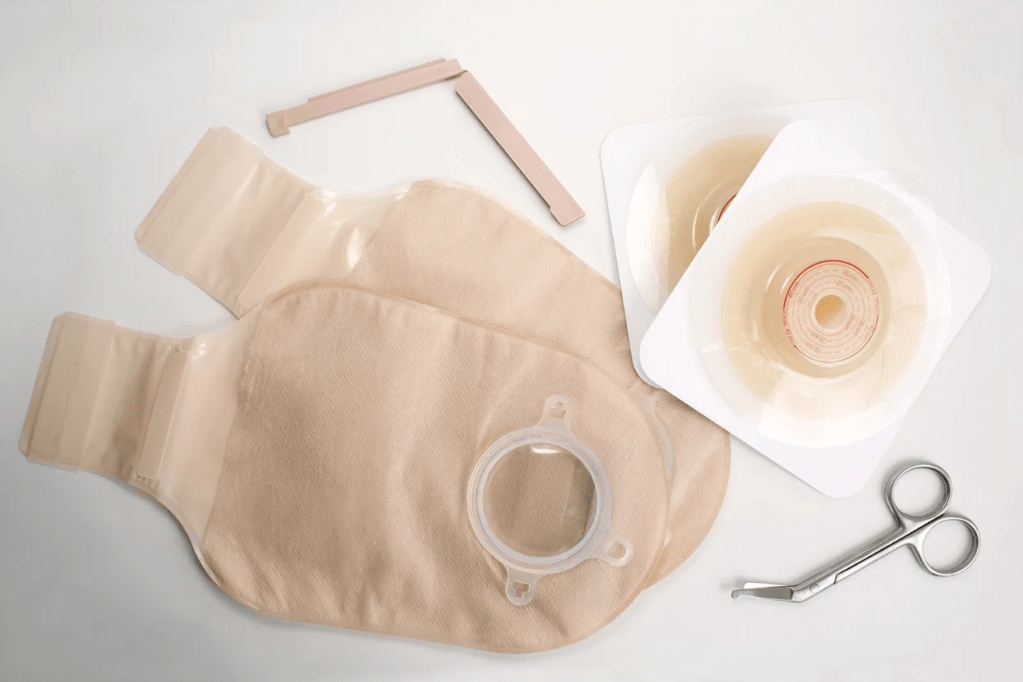
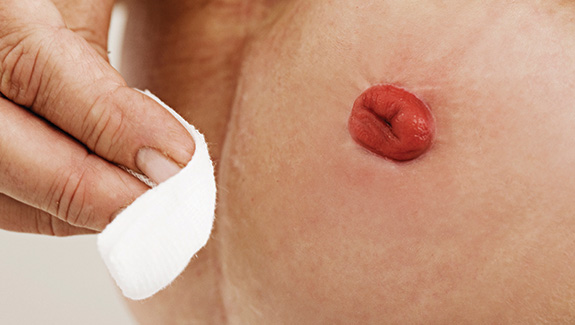
After surgery, you will have an opening in the abdomen. This opening is known as the stoma. A stoma is the piece of a small or large intestine sticking out of your abdominal wall. It is sutured to the abdominal skin to avoid further protrusion or retraction.

A crucial part of the ostomy management regimen is to take care of your stoma and the skin around it. The health of your stoma and peristomal skin plays a vital role in how well an ostomy bag remains connected to this area.

One of the most important things to consider here is the type of bag you are using. The stomal output differs based on the type of ostomy you have. With the urostomy, you will have to deal with the stomal output from your kidneys. On the other hand, a colostomy or ileostomy results in the stomal output from the digestive tract. You have to make sure that the ostomy bag you use is perfectly capable of helping you to deal with the bodily waste that your stoma evacuates. That said, the type of ostomy bag may differ based on the type and nature of your stomal output.

We will explore different types of ostomy bags in the remaining part of this article.

One-piece ostomy bag
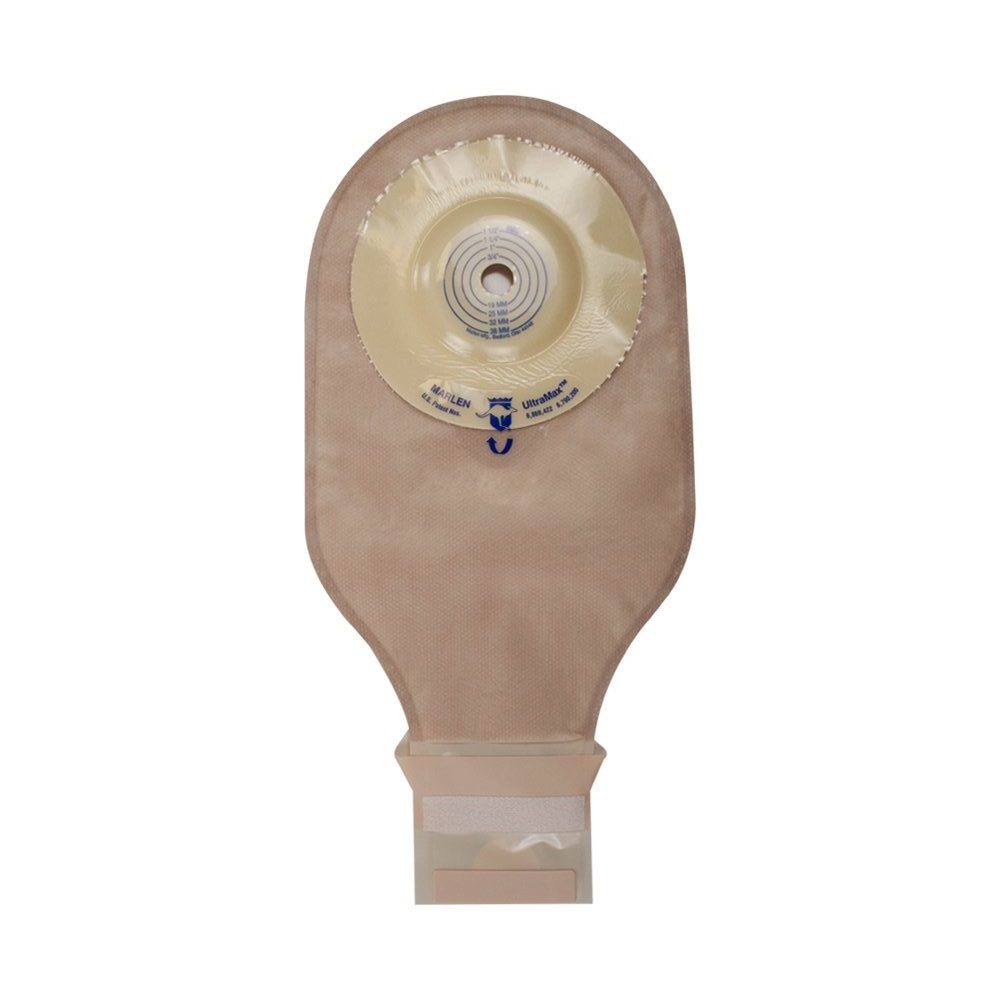
A one-piece ostomy bag comes with the pouch and the skin barrier already conjoined. That means if you need to change the pouch, you are going to have to detach the entire pouching system, including the skin barrier, from the peristomal skin. This bag remains flat with the abdominal skin, making it the right option for people who love to engage in sports. Typically, a one-piece ostomy bag is a right option for the people with a colostomy that generates more firm stool.

Two-piece ostomy bag
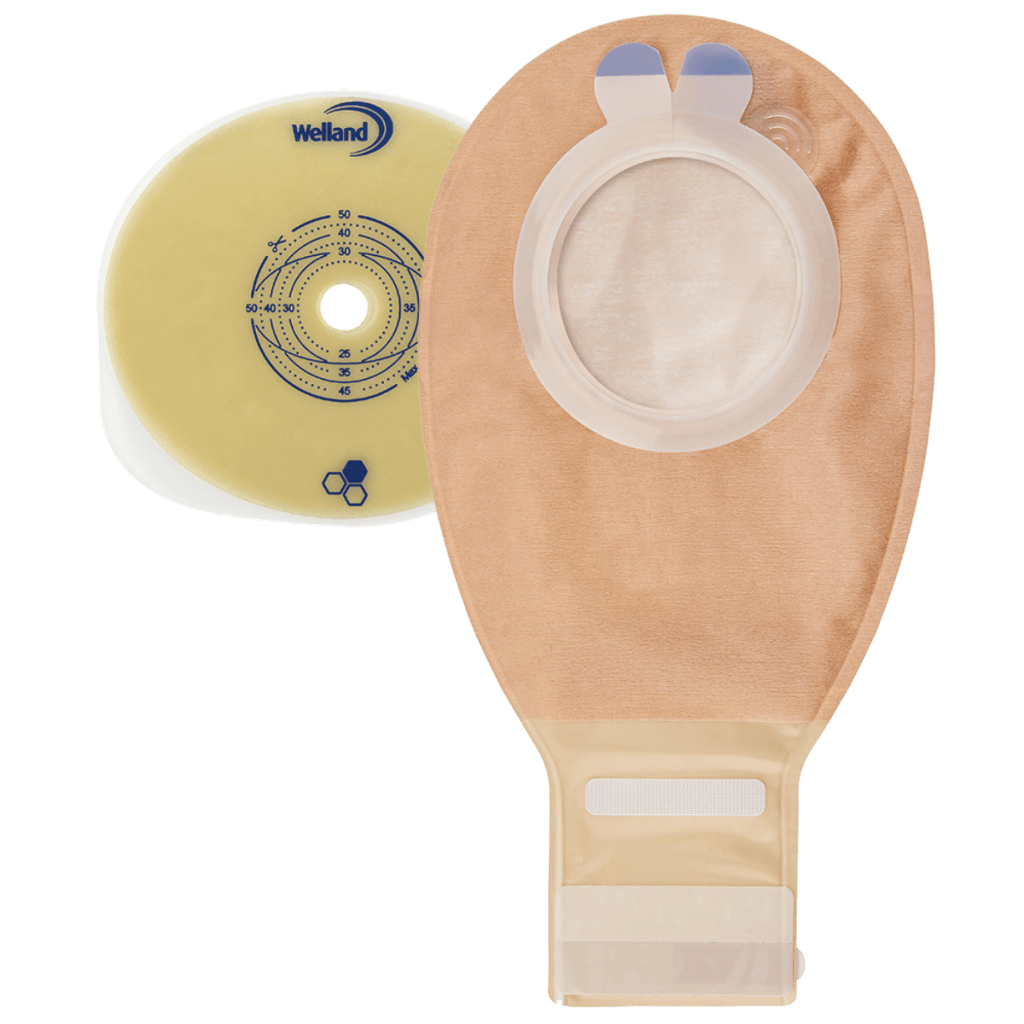
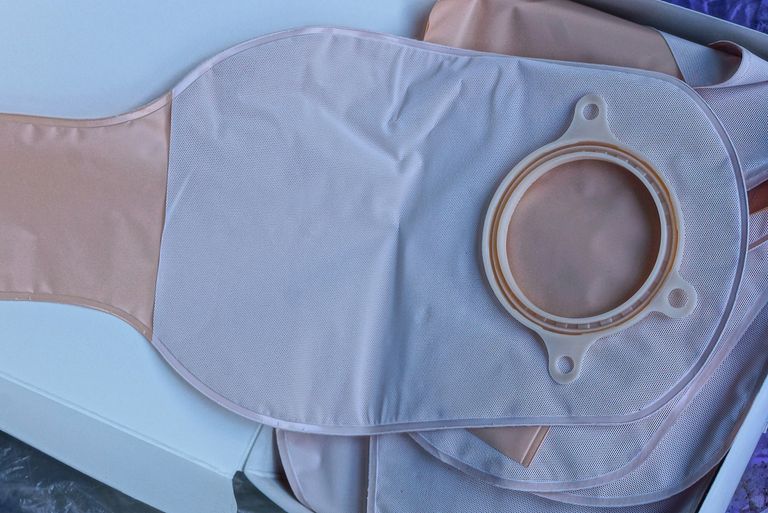
A two-piece ostomy bag comes with the pouch and the skin barrier as two different entities. First, you are going to have to attach the skin barrier around the stoma with the peristomal skin. Then you will have to connect the pouch with the skin barrier. The most significant benefit of this ostomy bag is that it allows you to change the pouch without taking the skin barrier off from the skin. This ostomy bag is ideal if you have to deal with more frequent and unpredictable waste evacuations.

Closed-end ostomy bags
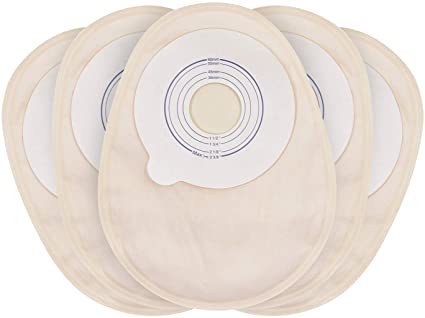
A closed-end ostomy bag comes with a sealed bottom, meaning that you are going to have to discard it after a single-use.

Drainable ostomy bag
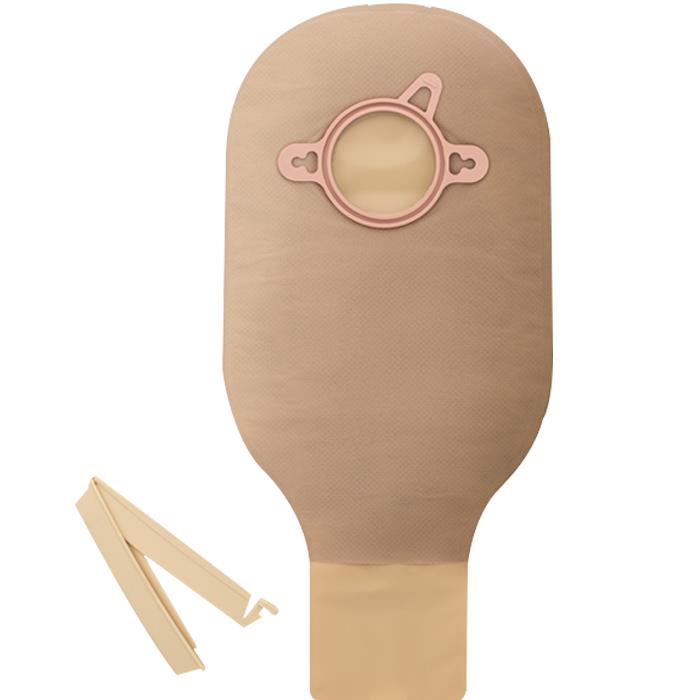
A drainable ostomy bag allows you to empty the contents in it for reuse. This ostomy bag is ideal for people who want more accessibility with their pouching systems.
Tips to Change Your Ostomy Pouch

Carrying an ostomy pouch anywhere you go is nothing less than a challenge. But it is a challenge only until you get used to this routine. As soon as you will get used to this new routine, you will not find it challenging anymore.

Here is a simple guideline on how to change your ostomy pouch.

  • First of all, wash your hands.
  • You first need to set all of your equipment out within an easy reach on the bathroom’s countertop. Items that you may need here include an old bath towel, Kleenex tissues, plastic bag, washcloth, clean bath towel, pencil and stoma measuring device, scissors, a skin barrier wafer, moldable skin barrier wafers, stoma paste, new pouch, a tail closer if you are using a drainable pouch, hair dryer, and a swivel make up mirror.
  • You need to empty your pouch rather than rinsing it out. That’s because rinsing can affect its ability to remain attached. And if you have got an advice regarding rinsing your pouch, you need to ignore it. You can empty your pouch while sitting comfortably on the toilet.
  • A skin barrier is just like a tape which is attached to the body. To remove this tape, push the skin near the tape in inward direction while holding that edge of the tape between your fingers. Then pull away the tape from the skin. Make sure that you are pulling the barrier away from the skin slowly. You should not need an adhesive remover if your skin is normal and the barrier can be removed easily. But if the adhesive is too strong or your skin is irritated, you must use the adhesive remover. Adhesive remover spray is a better option because it doesn’t leave the residue.
  • Old pouch, wafer and other wastes should be put away in the plastic bag for disposal. Make sure that you are not throwing away the tail clip because it remains valuable with the new pouching systems. It would be great if the bag’s color is black. Ostaway x-bag is the perfect option because it is black, leak-proof and odor proof.
  • Clean the skin around your stoma with washcloth and warm water. You can also take shower at this point if you prefer bathing without a pouch attached with your stoma. Don’t worry about the waste coming out of the stoma while you are taking bath.
  • You can dry the skin with Kleenex tissue. And for better results, use a hair dryer on a low setting.

Now is the time to measure your stoma. To have a better view, use the makeup mirror. You can place the mirror on countertop in such a way that your stoma becomes easily visible through that mirror. Measuring your stoma is important if it is not settled to a proper shape. The change in shape keeps happening for about ten weeks after the ostomy surgery. You shouldn’t have any problem in measuring your stoma if it is in circular shape. But if it is in over shape, you are going to have to take two measurements; i.e. from both short and long diameters.

  • Use that measurement to trace the correct shape and size of your stoma on the back of the wafer. You can use scissors to cut the hole.
  • Remove paper from the skin barrier and start applying it slowly and carefully over the stoma. You can look at the magnifying side of the glass to see if you are applying the barrier right according to measurements. The skin in which the barrier has to be placed needs to be flatter.

Tips To Maintain Healthy Peristomal Skin

It is very important to make sure that your persitomal skin, the skin around your stoma, is healthy. And for that purpose, there are a few tips that may be very helpful.

Bath and shower

There shouldn’t be any issue with bathing and showering. You can go ahead with this important part of your physical hygiene in the normal way just like you had been doing before the surgery. Also, it’s up to you whether or not you want to bathe with the pouch on. You are going to have to avoid oil-based and moisturizing soaps because they can leave soap residue, which is not good for your stoma. It may be worth remembering that soap and water do not flow into your stoma and damage it; so it is not something to worry about.

A well-fitted ostomy barrier

  • The fitting of skin batter upon the skin around your stoma is one of the most important things you have to take into consideration. You don’t want the stomal output to get into contact with your skin because it can cause irritation. A well-fitted skin barrier prevents this unwanted contact.
  • It is important to measure the size of your stoma before you apply skin barrier. You will be able to learn about this measuring from your ostomy care nurse who will teach you about the right way to use the measuring device to accurately determine the size of your stoma. Based on this measurement, you can select a cut-to-fit, pre-cut or moldable skin barrier.
  • Your stoma is going to change its shape for 10 weeks after the surgery. Therefore, you will have to measure your stoma periodically.
  • Certain factors or actions that can cause changes in your abdomen such as pregnancy, exercise, weight loss/gain and certain medical conditions may lead you needing a new pouching system.

Changing the pouching system

  • Change of pouching system can be done at the time of your preference. But yes, you are going to have to schedule this regular practice. The primary purpose of pouch change scheduling is the prevention of adhesive erosion which can let the urine or feces to come in contact with the skin, leading to the skin irritation. You can discussion about this scheduling with your doctor or ostomy care nurse.
  • While changing the pouch, make it a habit to look at the skin around your stoma. Check if there is any redness or irritation in that peristomal skin. If there appears to be any such issue, you need to notify your ostomy care team.
  • Ripping or tearing off the kin barrier can damage your peristomal skin. Barrier removal is a procedure that requires gentle approach. Begin removing skin barrier from one corner and slowly remove the remaining adhesive. If the adhesive doesn’t seem to lose hold of the skin easily, you can use adhesive releaser spray or remover wipes.
  • It has to be ensured before attaching the new pouching system that your skin is completely dry. That will help ensure a better seal.